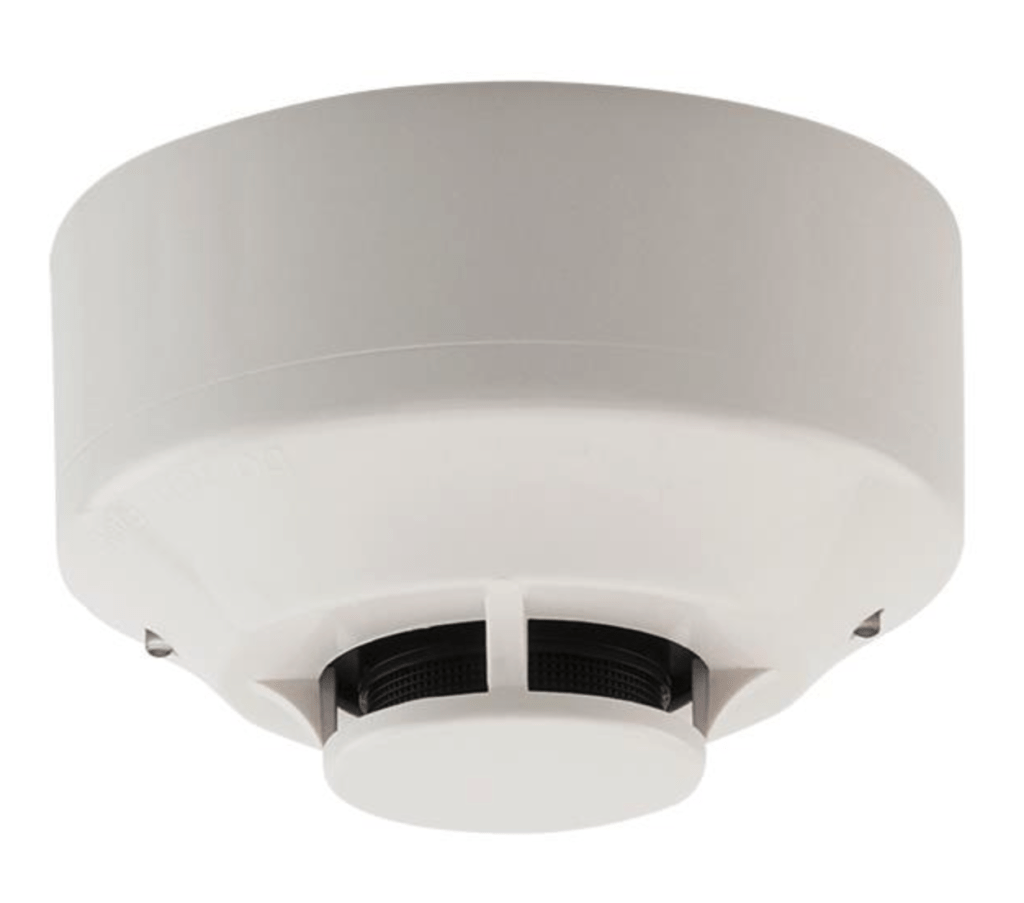
The two primary methods for smoke alarm maintenance are testing and cleaning.
Why do you need to test smoke detectors?
Regardless of the type of smoke alarm you have, it should be tested at least once a month to ensure everything is in working order. This will give you peace of mind that your smoke detector will work when you need it most.
Why do you need to clean smoke detectors?
Remaining stationary, smoke alarms collect dust and pollutants. These can clog the system and prevent the alarm from working as it should. That’s why it’s important to clean your smoke detector monthly by dusting it with a dry cloth. Yearly, you can also remove the external casing and remove dust from the interior.
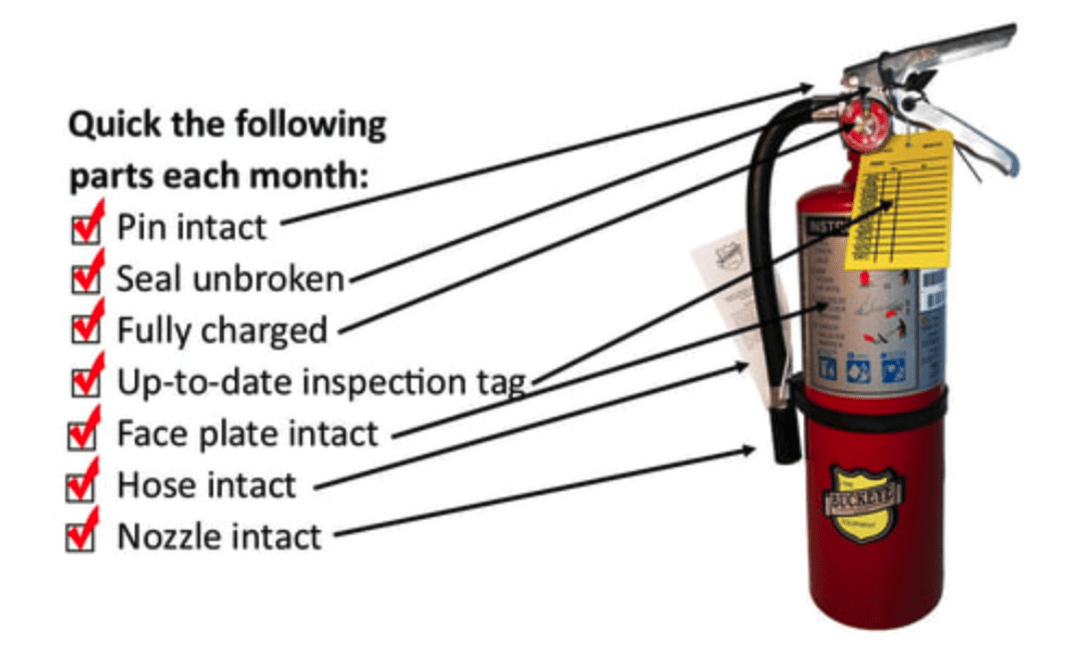
October 3rd-9th is dedicated to fire safety awareness. Established in 1922, fire prevention week was created in memory of the Great Chicago Fire in 1871. This tragic fire killed over 250 people and burned more than 2000 acres. This major fire crisis altered the way that public officials viewed fire safety and the future of preventing fire emergencies. The first national fire prevention day was established by President Woodrow Wilson in 1920. Two years later, fire prevention week began to be observed, marking the longest-running safety observance nationally recognized. The National Fire Protection Association (NFPA) has released their campaign for 2021’s Fire Safety Month: “Learn The Sounds of Fire Safety.” This includes recognizing products that aid in fire safety. Installing trusted smoke and carbon monoxide alarms can prevent a fire and protect your home and family members. Fire Safety Tips At Home Functional Smoke Alarms: You need to ensure that your smoke detectors are functional throughout your entire house. Many times, batteries will go out or the detector may die of old age, which can easily escape your notice. We recommend checking your smoke alarms once a month. Both smoke and CO alarms should be on every level of the home, including the basement, and inside and outside each bedroom. Fire Extinguishers: Fire extinguishers should always be kept in the kitchen and garage. Make sure that your fire extinguishers are operational as well. Teach your children how to use fire extinguishers in case of an emergency. Remember the acronym PASS: Pull the pin, Aim at the base of the fire, Squeeze the lever, and Sweep from side to side. Clean Your House: It’s important to eliminate clutter throughout your home. In the event of a fire, stuff around the house can act as fuel and allow the fire to spread quickly. It can also restrict your access to emergency equipment and exits. Chemical Safety: For cleaning chemicals, read the warning labels and determine how to store them. Many chemicals are fire hazards and should be stored in a certain type of environment. Have an Emergency Plan: Make sure your family knows where the exits and fire extinguishers are. Never open doors that are hot to the touch. Teach your kids to stop, drop, and roll if their clothes catch on fire. Designate a meeting place outside. Tell your kids to never re-enter a burning building. Did You Know? The U.S. has one of the highest fire death rates. In 1997, the fire death rate was 15.2 deaths per million population. 3 out of 5 home fire deaths arise from fires in homes with no working smoke alarms. Fire is the third leading cause of accidental deaths at home. Property loss due to fires is estimated at around $8.5 billion annually . Unattended cooking is the leading cause of home fires in the United States. Smoking is the leading cause of fire deaths. Heating is the second cause of residential fires, tying with arson as the second cause of fire deaths. In commercial businesses, arson is a major cause of death and injuries. Senior citizens and children under five are at the greatest risk of death by fire, at double the risk of the average population. Carbon monoxide is the number one cause of poisoning in the United States. Fire Safety Tips at Work Designate Smoking Areas: Only allow smoking in certain areas and provide ways for extinguishing smoking materials. Enforce this rule in your office, ensuring that people aren’t smoking haphazardly and casually throwing their cigarette trash anywhere. Fire Extinguishers: It’s important that your business maintains the appropriate type and number of fire extinguishers. There are monthly and annual inspections you should schedule that will inspect fire extinguishers to ensure they are operational. Train your employees on how to use them. Also, make sure to not block fire extinguishers with equipment. In addition to fire extinguishers, ensure that you have functioning smoke and CO detectors in your office. Chemical Safety: If you use chemicals in your business, store them safely and ensure storage areas have proper ventilation. For example, there are flammable storage cabinets, which can be a good place to store these materials. Waste Storage: Pay attention to where your flammable materials are thrown out, as they could be a risk for a fire emergency. Ensure you have proper trash procedures for types of flammable waste. Exits: Make sure you have emergency exits labeled and easily accessible. These areas need to be kept clean and well-lit. Also make sure to keep your office spaces clean and practice good housekeeping, so that in the event of a fire, employees can easily access the exit. Contact Information: Ensure that you have emergency contact phone numbers in case of an emergency. Fire Services Near You Safe-T Fire Protection is your local, family-owned fire protection company ready to help you understand fire safety. Our fire protection services are designed to keep your home and business safe. If you have any questions, contact us today ! We serve Buford, GA, and the surrounding areas.
At a young age, we are taught the basics of how to protect ourselves in the event of a fire. We learn the stop, drop, and roll concept, and have routine fire drills to ensure the entire school is prepared for an emergency. Unfortunately, fire safety training usually stops after grade school. Fires are extremely dangerous and need to be talked about in the workplace, but so many businesses are left untrained and unprepared. The best way to protect your business and employees is by having fire safety training. Holding fire safety training in your workplace can be lifesaving. When a company puts value in teaching their employees how to detect a fire, how to use fire equipment, and how to evacuate the building safely, it makes for a safer environment. These integral fire safety training steps are the main three topics that all employees need to be educated to respond appropriately during a fire. How To Recognize Fire Hazards Recognizing when there is a potential fire hazard is an important lesson that needs to be taught during fire safety training. It takes three components to start a fire: heat, fuel, and oxygen. These components not only start a fire, but they contribute to the fire continuing to burn. It is important for employees to know how to recognize these components, so they can assist with preventing and responding to a fire. When employees know how a fire can start, they can know how to stop it from happening. This is why we believe detecting fire hazards is important to teach during fire safety training. What To Do If There’s A Fire When educating on fire safety, you must educate your employees on what to do if there is ever a fire. You want everyone in the building to be as prepared as possible during an emergency, and you can only do that by establishing fire safety procedures. Establishing and practicing fire safety procedures will be beneficial to everyone’s safety. The response of your team during a fire emergency can be different from someone staying unharmed and someone getting seriously hurt. This is why it is so important to have a well-thought-out emergency evacuation plan, that is gone over multiple times. When building your fire evacuation plan, it is best to include a professional fire safety instructor to ensure your plan is best for everyone in the building. Your plan for evacuating the building in the event of a fire should include: Where to regroup How to leave the building Each worker’s role in the plan What to do if they encounter heat or smoke when leaving the building How and why to close each door behind them as they evacuate Going over these few things during your fire safety training will help everyone know the right response during a fire. It is always best to go over these details quarterly to keep them fresh in everyone’s mind. How To Use Fire Equipment Using fire equipment correctly is a key topic that needs to be discussed during fire safety training. There are so many tools and equipment built to help your business and the employees during a fire. Just like your evacuation plan, how to use fire equipment correctly needs to be practiced regularly to ensure everyone is on the same page. Everyone with your company should know how to: Call 911 Activate the fire alarm Use a fire extinguisher Use a fire suppression system We Do Fire Safety Training Here at Safe-T Fire Protection and Equipment , we offer fire safety training to local businesses. During your fire safety training, we will educate your company on fires and how to prevent them, how to use all the fire equipment, and develop a smart evacuation plan for your business. We are knowledgeable on the dangers of fire, which is why we take fire safety training so seriously. We have years of experience using fire equipment and can help everyone in your company feel comfortable using them as well. If you are interested in fire safety training, you can contact us at 770-995-9950 .
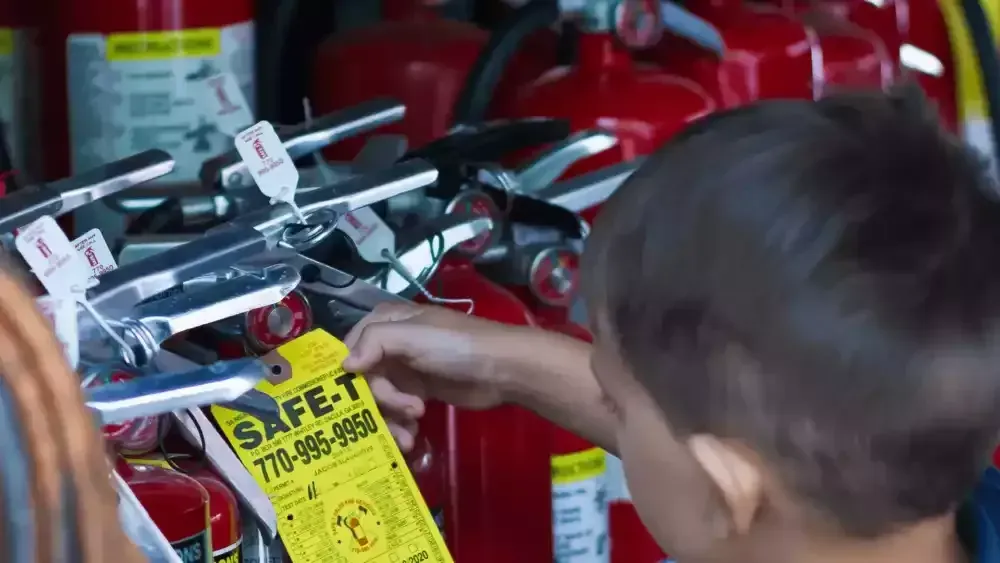
Fire safety is important in understanding how to be prepared to use the proper equipment in fire emergencies. The number one cause of fire emergencies in the home comes from unattended cooking. People become careless when cooking in the kitchen, leaving food on the stove and in the oven unattended. Out of home fire deaths, 3 out of 5 arise from homes that have no working fire alarms. It’s easy to become negligent about risks that could cause fires in the home and workplace. Leaving candles burning, hair equipment plugged in, and other heat sources unattended can be a recipe for disaster. When it comes to extinguishing a fire, it’s much more complicated than many people realize. The different classes of fires are classified by the type of fuel that’s burning. These fires require various ways of being extinguished, given that not all methods will be effective against them. There are five recognized classes of fire, labeled A, B, C, D, and K. Classes of Fire Class A This type of fire is the most common, including everyday combustibles, such as wood, paper, trash, plastic, cloth, and rubber. If you have a house fire, this is most likely the type of fire you will encounter, as trash, paper, or plastic may have caused it. Class A fires are usually extinguished with water or mono ammonium phosphate. Class B Class B fires are ones that have flammable liquid or gas as the fuel base. These materials can include kerosene, gasoline, oil, propane, and petroleum-based paints. These types of fires can become a problem in industries that use certain types of fuel or paints. To extinguish these fires, it’s best to smother the oxygen. Class C Class C describes electrical fires. They are often fueled by wiring, fuse boxes, motors, and other electrical appliances. They can also come about from an overloaded surge protector or bad wiring. This means that they can occur in both small and large-scale businesses. It’s also possible for electrical fires to happen in the home. When these fires happen, you need to cut the power off and use non-conducive chemicals to extinguish the fire. Class D Class D fires have combustible metal as the fuel source. These metals include titanium, magnesium, sodium, potassium, and aluminum. These fires can arise in laboratory environments and other industries that constantly use combustible materials. It’s important that water is not used to extinguish Class D fires, as it will be ineffective and dangerous. A dry powder agent will need to be used to extinguish these fires. Class K Class K fires are cooking fires that come about from liquid combustion. Specifically, they are a type of liquid fire. Liquid cooking materials can include grease, vegetable fat, cooking oils, and animal fats. These types of fires are a concern in restaurant services, but also in homes. To extinguish these fires, wet chemical fire extinguishers are needed. Fire Safety Education Here at Safe-T Fire Protection , we’re passionate about educating others on the importance of fire safety. Our fire services are designed to keep your business safe and to help you be prepared for fire emergencies. We offer fire extinguishers , fire sprinkler systems , fire alarms , emergency lighting , kitchen hood systems , fire hydrants , backflow preventers , and spray booth systems . Contact us today to learn more about our services! Our professional experience pushes us to offer premium, trusted products that will make your environent safe.